
“I'm nobody's first choice”: when your child has no best friend
By the Life Scenario team · Published · For parents of children 6–14
What do I say when my child feels they are nobody's first choice?
Practice “Want to work together?” for a comfortable peer, or “Can you help me find a partner?” when public choices leave your child exposed. Listen to why your child wants a closer friendship. Look for mutual connections and ask school for specific support.
Key takeaways
- Having people to play with can still feel lonely when your child wants a closer connection.
- Ask where the ranking feeling appears: partner work, birthday plans, lunch, or friendship labels.
- Do not make a child audition for the title of best friend by giving more, agreeing more, or excluding others.
- Look for friendships where both children make contact and enjoy being together.
- Ask teachers to organize fair participation when public partner choices repeatedly leave the same child waiting.
“But you have friends” may answer a different question
You can name children your child plays with, yet they still say they are nobody's first choice. They may be describing a wish to matter especially to someone. Correcting the friend count misses that wish. Try reflecting it: “You want someone to look for you when it's time to choose.” Let them explain where they notice the gap.
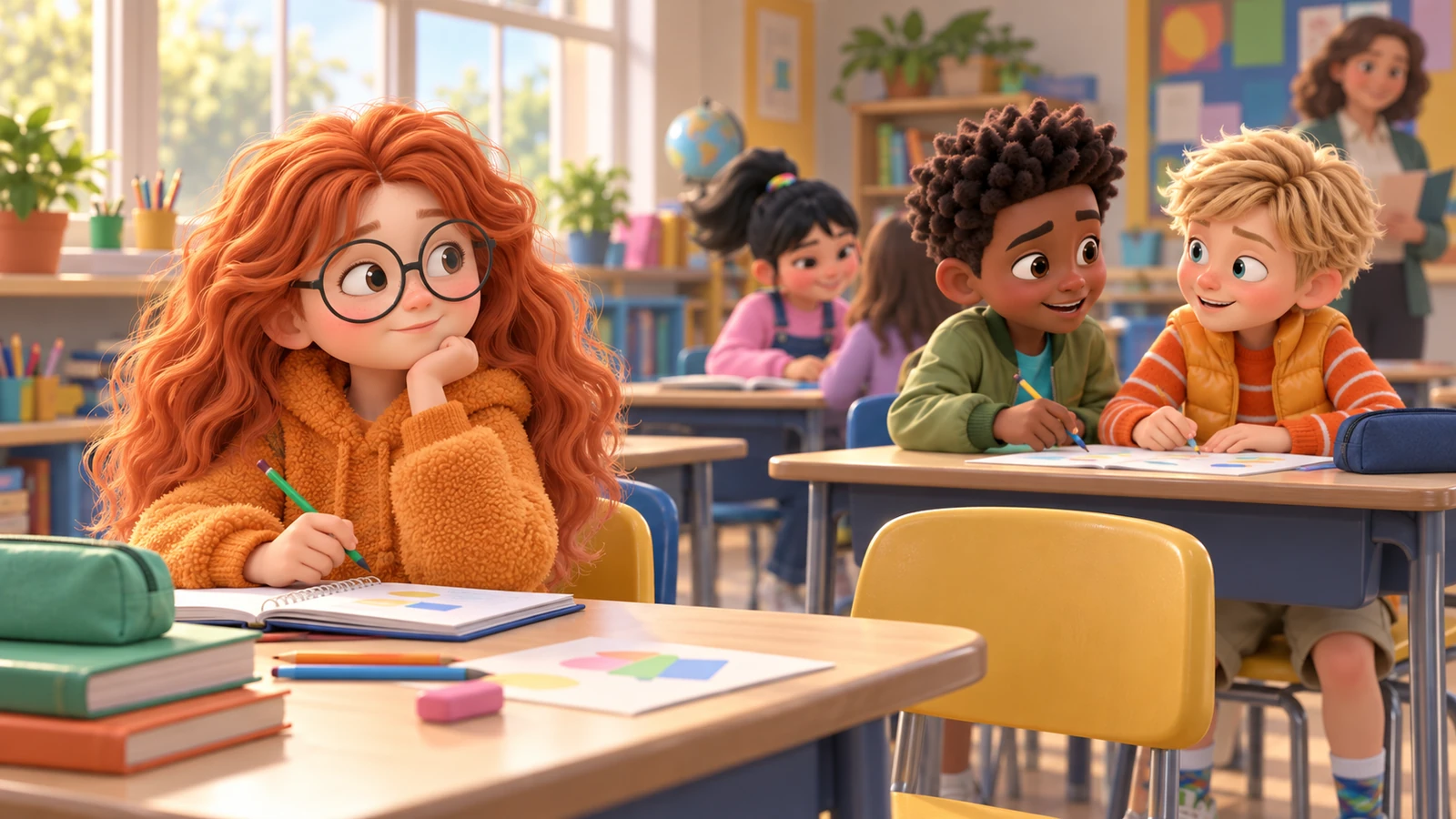
Sometimes the feeling comes from a public routine. Everyone is told to find a partner, familiar pairs form quickly, and your child waits. Other times it comes from a private comparison: a friend has another best friend, or invitations seem to go one way. Ask about a recent example so you can distinguish a classroom arrangement from a relationship that feels one-sided.
Be careful about making a rank the goal. A child may try to earn first place by sharing everything, never disagreeing, or asking a friend to stop seeing others. Those choices can make the relationship uncomfortable. Help your child look for kindness and mutual interest while acknowledging that they still wish for something closer.
4 things your child can say when they feel like the spare friend
1.“Would you like to work together today?”
Use this with a familiar classmate before a safe partner activity begins. It invites the other child to do one thing together. An adult should still help if finding a partner keeps being difficult.
2.“Want to do something just the two of us?”
Use this when your child enjoys a friend but usually sees them in a large group. A short shared activity gives the children some time together.
3.“I'd like you to ask me sometimes too.”
Use this in a comfortable friendship where your child always initiates. It tells the friend what your child would enjoy. See whether the friend also makes time for your child.
4.“I need help finding a partner.”
Use this with a teacher when public choosing leaves your child waiting again. The request is about fair access to the activity; it does not ask the teacher to assign somebody the role of best friend.
What not to say (and what to say instead)
“Stop being dramatic. You have friends.”
“You wish someone would choose you first.”
The response hears the wish for closeness instead of correcting a count the child was not trying to give.
“Be extra nice so they pick you.”
“Do you both enjoy the time you spend together?”
Ask whether the friend sometimes invites your child too.
“Tell her she has to choose between you.”
“Ask if they'd like to do something together.”
A clear invitation respects the other child's friendships and gives both children a choice.
“You'll definitely find your person soon.”
“Let's look for connections that feel good now.”
Help arrange time together when both children want it.
| Instead of | Try | Why |
|---|---|---|
| “Stop being dramatic. You have friends.” | “You wish someone would choose you first.” | The response hears the wish for closeness instead of correcting a count the child was not trying to give. |
| “Be extra nice so they pick you.” | “Do you both enjoy the time you spend together?” | Ask whether the friend sometimes invites your child too. |
| “Tell her she has to choose between you.” | “Ask if they'd like to do something together.” | A clear invitation respects the other child's friendships and gives both children a choice. |
| “You'll definitely find your person soon.” | “Let's look for connections that feel good now.” | Help arrange time together when both children want it. |
What do I say when my child watches everyone pair off?
Try, “That waiting can feel awful. Let's work out what the teacher could change.” Ask whether the problem happens in particular lessons or across the day. Contact school about the arrangement and request a fair way to organize participation. Your child should not have to stand publicly unchosen while adults wait for somebody to notice.
For friendship outside the lesson, choose one person your child already enjoys. Practice a specific invitation, such as doing a craft together or meeting at the next club session. Make one invitation and have another activity ready if the answer is no. You can help with transport or contacting caregivers, but you cannot make the other child feel a particular level of closeness.
Rehearse both answers. In one round, you accept. In another, you have plans with someone else. Let your child say, “Okay, maybe another time,” and choose a different activity. Then discuss whether the friendship usually includes effort from both people. One declined invitation does not tell the whole story; a long pattern of one-sided effort is worth noticing.
Keep home free from constant rankings too. Avoid asking who their number-one friend is or joking that one child has stolen another away. You can ask who they felt comfortable with or what they enjoyed doing together. Let your child feel sad about wanting a closer friend.
What do I say when my child keeps chasing the same friendship?
What if the friend never follows through?
Ask who usually makes the plans. They can pause repeated invitations and spend time elsewhere. You do not need to stage a test or demand a final declaration before allowing the relationship to become more casual.
What if my child tries to buy a place?
Set reasonable limits on gifts and lending, and ask what they hope will happen in return. Get adult help if saying no leads to threats. Involve school if classmates are pressuring them for possessions or favors.
What if being last becomes deliberate humiliation?
Treat repeated exclusion or threats as a school concern. Contact the school if your child is being bullied or threatened. Ask adults to stop the exclusion.
What if the sadness affects everything?
Seek support when distress persists or affects school attendance, sleep, or activities your child wants to do. A school counselor or health professional can help you understand the need. Continue working on the actual social setting as well as supporting the child.
What to say at 6–8, 9–11 and 12–14
- 6–8
- A younger child may use best friend to mean today's playmate. Ask what happened in the particular game or partner choice. Help with a concrete invitation and ask the teacher to organize fair participation. There is no need to insist that the child settle on one permanent friend.
- “Can we do this together today?”
- 9–11
- Friendship labels and group arrangements may feel especially visible. Let your child explain what first choice means to them. Practice asking for individual time with someone they like, while keeping room for several relationships and avoiding promises of exclusivity.
- “Would you like to meet at lunch tomorrow?”
- 12–14
- Ask whether invitations and contact go both ways. A child may want a close friendship more than a larger group. Help them consider whether effort and respect go both ways, and preserve privacy when involving school.
- “I'd like to make a plan together sometime.”
| Age | What changes | Line to try |
|---|---|---|
| 6–8 | A younger child may use best friend to mean today's playmate. Ask what happened in the particular game or partner choice. Help with a concrete invitation and ask the teacher to organize fair participation. There is no need to insist that the child settle on one permanent friend. | “Can we do this together today?” |
| 9–11 | Friendship labels and group arrangements may feel especially visible. Let your child explain what first choice means to them. Practice asking for individual time with someone they like, while keeping room for several relationships and avoiding promises of exclusivity. | “Would you like to meet at lunch tomorrow?” |
| 12–14 | Ask whether invitations and contact go both ways. A child may want a close friendship more than a larger group. Help them consider whether effort and respect go both ways, and preserve privacy when involving school. | “I'd like to make a plan together sometime.” |
Key terms
- Closeness
- Feeling known, comfortable, and connected with another person; it can develop differently in different friendships.
- Reciprocity
- Both people making room for the relationship through interest, contact, or shared effort.
- Exclusivity
- An expectation that closeness with one friend prevents either person from having other friendships.
- Public choosing
- Selecting partners or teams in front of a group, which can repeatedly expose the same children as waiting.
Questions parents ask
What do I say when my child is nobody's first choice?
Acknowledge that they want a closer connection and ask when the feeling is strongest. Avoid promising a best friend. Help with a specific next step and any school routine that repeatedly leaves them exposed.
Does every child need a best friend?
Your child may want a closer friendship than they have now. Ask whether the relationships they have feel comfortable and mutual. Do not use the absence of a best friend alone to judge their social life.
What do I say if they want a friend to choose sides?
Explain that they can ask to spend time together and that the friend can have other friends too. Rehearse a specific invitation. Tell adults about any harmful behavior.
Should I ask another parent to make our children best friends?
You can arrange opportunities if both children want them, but adults cannot assign closeness. Keep plans small and let the children decide whether they enjoy the contact. Avoid sharing your child's painful comparisons unnecessarily.
How can school help when partners are chosen?
Ask the adult to choose a way of making teams that gives every child a place promptly. The teacher can organize pairs or rotations suited to the activity. That is different from requiring children to become close friends.
What if my child has several casual friends but still feels lonely?
Hear that they want a different kind of connection. Explore one comfortable relationship or an activity where they can see the same people again. If the loneliness is persistent and distressing, seek additional support.
Related
Sources
- Child Mind Institute — How to Help Kids Who Are Lonely (2026): Parents can listen, reflect a child's feelings, and help them find activities connected to their interests.
- Child Mind Institute — Kids Who Need a Little Help to Make Friends (2026): Parents can support comfortable opportunities for friendship without making popularity the aim.